





DulcoLax® Pearls
- Constipation
- Plannable the next morning
- Ages 4 and up
- Capsules
When taken in the evening, DulcoLax® Pearls support the natural bowel rhythm for predictable and reliable relief from constipation.
-
 PREDICTABLE RELIEF AFTER APPROXIMATELY 6 HOURS*
-
RELIEF FROM CONSTIPATION AND ACCOMPANYING SYMPTOMS
such as hard stools and excessive straining.** -
SUPPORTS THE NATURAL BOWEL RHYTHM
-
INDIVIDUALLY DOSABLE
Within the recommended dosage (2-4 capsules per day for adults and children aged 12 and over).
* Takes effect after approximately 6-12 hours
** The relief from accompanying symptoms is a result of the laxative effect.
Where To Buy

£3.40

£3.56

£2.90

£3.77
Detailed product information
- How it works
- Use and dosage
- Ingredients
- Warnings
- Storage & Other Information
Product Information Leaflet
Download

FAQs
What is the difference between DuloLax and DulcoSoft?
DulcoLax® stimulates the bowel muscles to give the body a gentle push. DulcoLax® works predictably overnight to provide relief the next morning (after approx. 6–12 hours). Suppositories act quickly, after about 15–30 minutes. A single use is usually sufficient to relieve constipation.
DulcoSoft®, on the other hand, binds water in the intestine, almost like a sponge. This increases the water content in the stool and softens its consistency. It also increases stool volume, stretches the intestinal wall, and stimulates the natural motility of the bowel. In this way, DulcoSoft® gently contributes to more regular relief.
What are the contraindications for Dulcolax® Pearls?
@Sofie
Where can I find the product leaflet?
You can download it by clicking here.

Dulco® products you might need
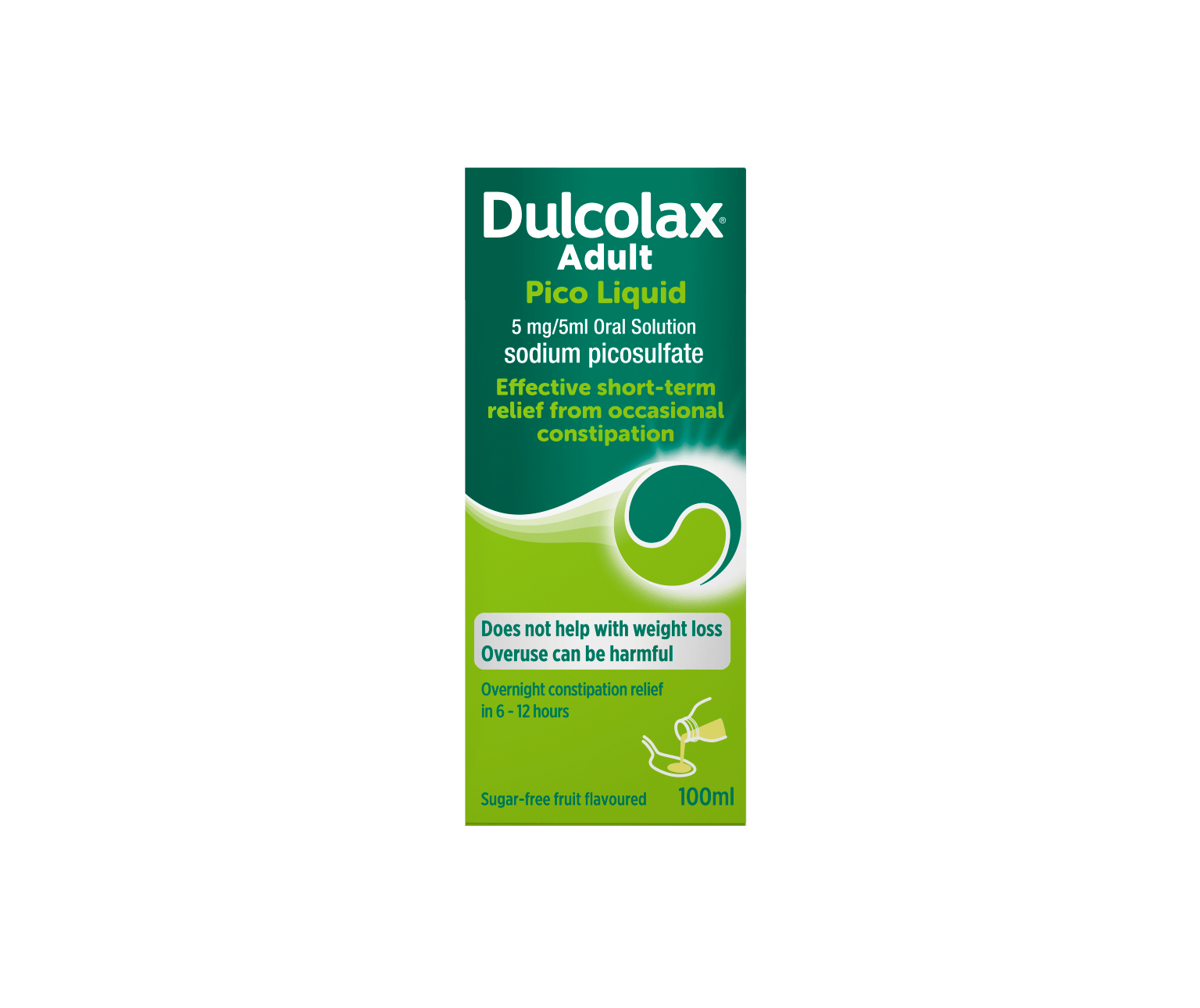
DulcoLax® Pico Liquid
- Can’t go (Less than 3 poops a week)
- Morning relief
- +18 years
- Liquid
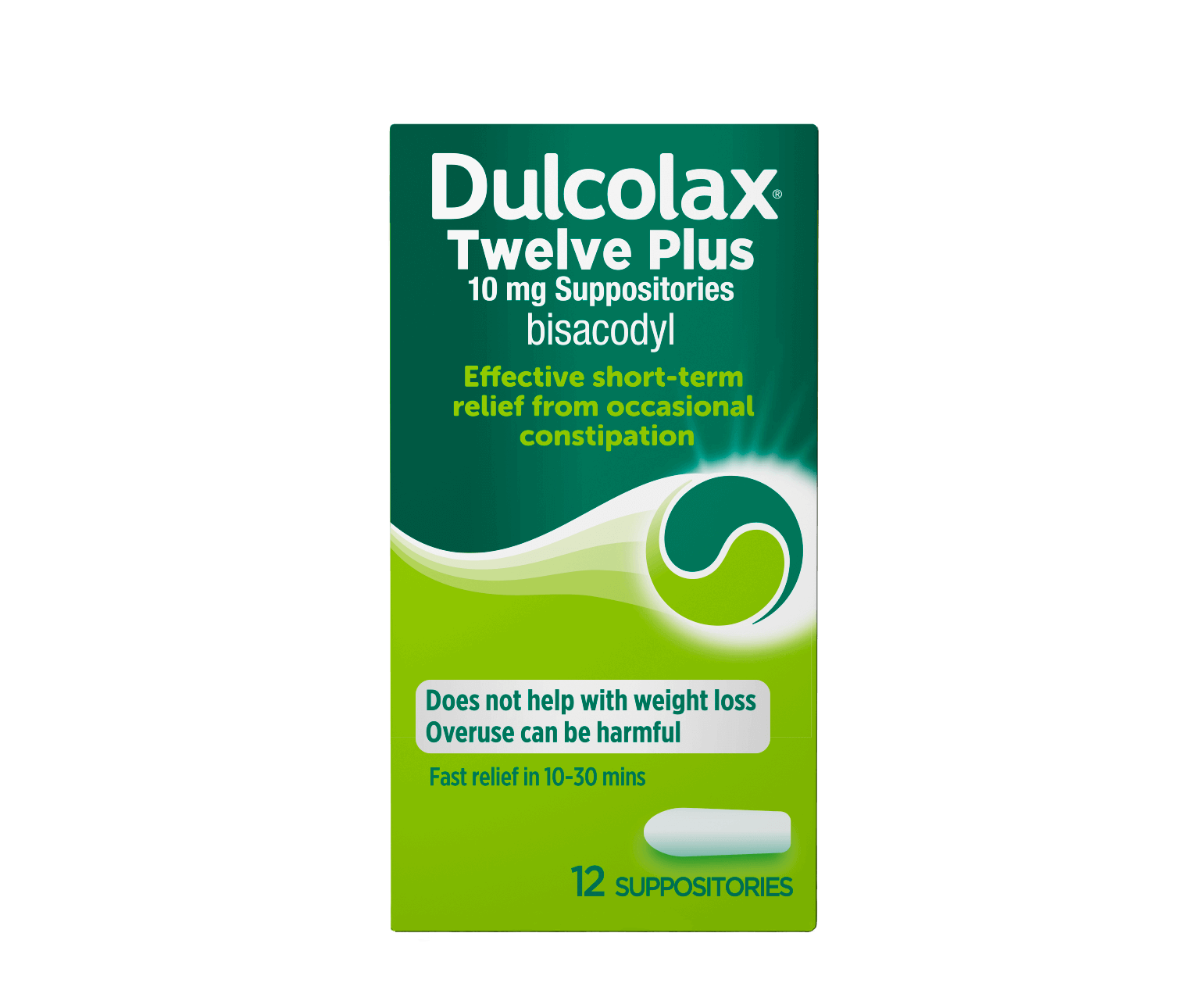
DulcoLax® Suppositories
- Can’t go (Less than 3 poops a week)
- Fast relief
- +12 years
- Suppositories
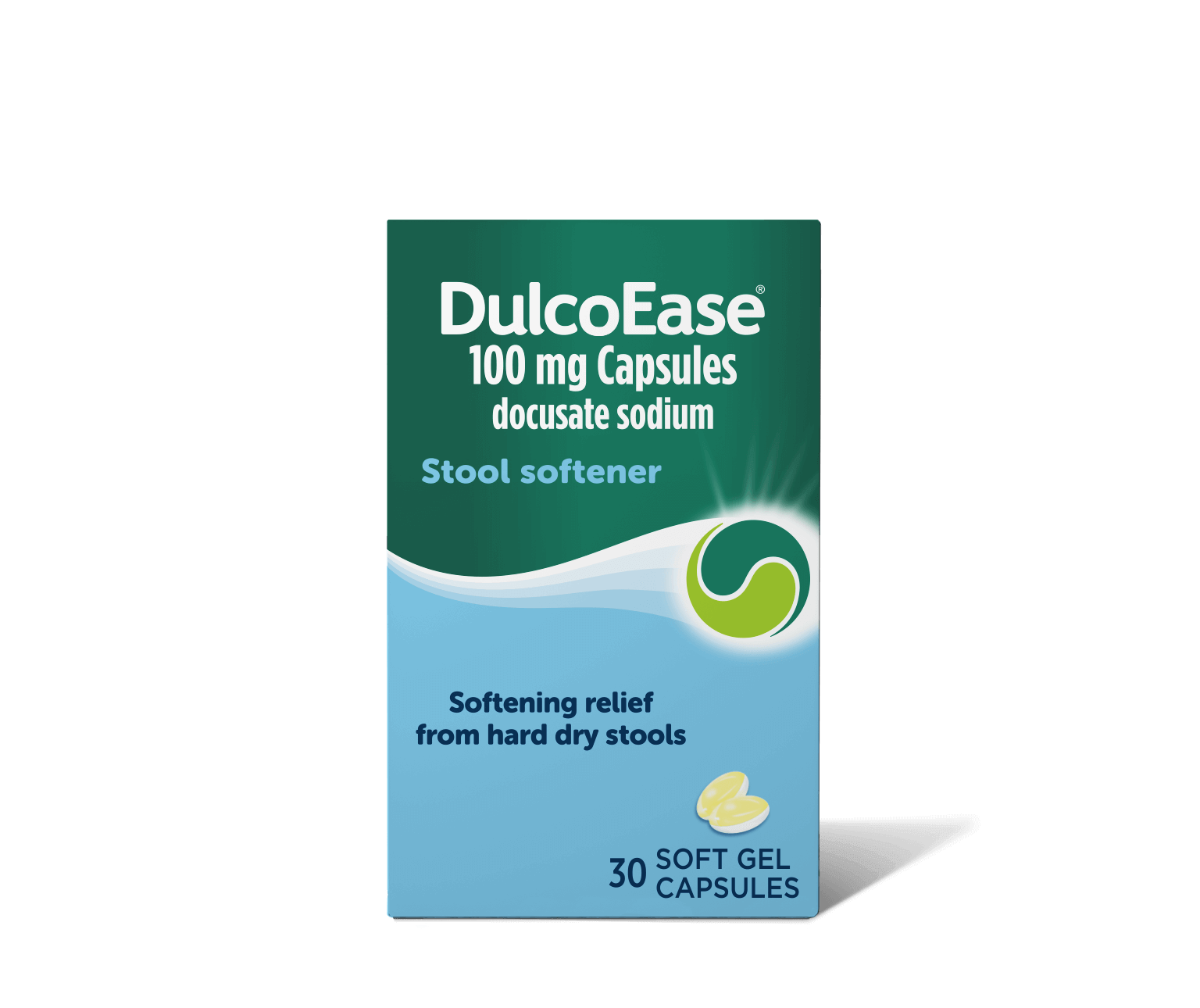
DulcoEase® Capsules
- Dry, Hard poop
- Gradual relief
- +12 years
- Capsules
Everything you need to know
- Pregnancy
- Tips

Constipation during pregnancy
Bumping along with a baby on board? You might be in the 40% of moms-to-be tackling the two-for-one deal of pregnancy and constipation.
- Tips

What is constipation?
Struggling with the number two? You’re not alone. It’s not just about frequency; it’s that unfulfilled feeling.
- Diet Habits
- Tips

How does lifestyle trigger constipation?
Just like your phone needs a reboot, so does your body when lifestyle choices clog up the system! See how hectic schedules, fast food frenzies, and sofa marathons can lead to constipation.
- Diarrhoea
- Tips

Constipation & Diarrhoea: What is the Connection?
Constipation and diarrhoea: two ends of the digestive spectrum with a twist. Did you know some suffer from constipation, and it can lead to overflow diarrhoea?
- Age
- Tips

Constipation in children
Kids aren’t mini-adults when it comes to constipation. They might not mention hard, painful poops, but watch for ‘skidmarks’ and potty avoidance.
- Stress

Stress and constipation
Regularly not reaching a 3-times-a-week bathroom goal? Your gut might be more stressed than your schedule.
- Tips

How does the digestive system work?
Exploring the digestive system: the unseen hero processing our food into energy, from apple to… well you know.
- Bowel movements
- Tips
Constipation and bowel movements
Understanding what’s normal for bowel movements is key. Poop pro tip: Less than 3 times a week, you might be backed up.
- Gas & bloating
- Tips

Bloating and constipation
Feeling like a human hot air balloon? 30% of adults know the bloat all too well! Remember, it’s not just you.
References, Claims & Notices
*Start with 1 tablet and increase to 2 if necessary
**Additional symptom relief is a result of constipation relief
***Based on IQVIA volume sales data MAT’2023. For verification please email: UK-medicalinformation@sanofi.com
****Take at night for overnight relief
Sources
- Müller-Lissner SA, et al. Myths and misconceptions about chronic constipation. Am J Gastroenterol. 2005 Jan;100(1):232-42.
- Wald A. (2006). Constipation in the primary care setting: current concepts and misconceptions. The American journal of medicine, 119(9), 736–739.